FCL & LCL Shipping from China to Myanmar: Safe, Efficient, and Tailored to Your Needs
In the dynamic landscape of international trade, one size rarely fits all. Businesses importing from China to Myanmar have vastly different needs—some are shipping massive machinery, while others are sending a few pallets of consumer goods. This is why having a reliable partner for both Full Container Load (FCL) and Less than Container Load (LCL) shipping is critical. Whether you opt for the exclusivity of FCL or the cost-sharing efficiency of LCL, the goal remains the same: getting your goods from the factory floor in China to your warehouse in Myanmar safely, efficiently, and without complications.
Understanding Your Options: FCL vs. LCL
Choosing the right shipping method can significantly impact your budget and timeline. Here is how the two compare:
- FCL (Full Container Load): You rent an entire 20ft or 40ft container for your exclusive use.
- Best for: Large volumes, heavy equipment, fragile items, or high-value goods.
- Advantage: Maximum security. The container is sealed at the origin and only opened at the destination, reducing the risk of damage or loss.
- LCL (Less than Container Load): Your goods share container space with shipments from other businesses.
- Best for: Small to medium-sized businesses (SMEs), trial orders, or restocking inventory.
- Advantage: Cost-effectiveness. You only pay for the space you use, making it ideal for smaller shipments that don’t justify the cost of a full container.
The Logistics of China-Myanmar Shipping
Transporting goods between these two nations typically involves three main corridors, and your choice of FCL or LCL applies to all:
- The Yunnan Overland Route (Most Popular): Trucks carry FCL containers or LCL pallets from hubs like Kunming through the Ruili-Muse border. This is the fastest overland method.
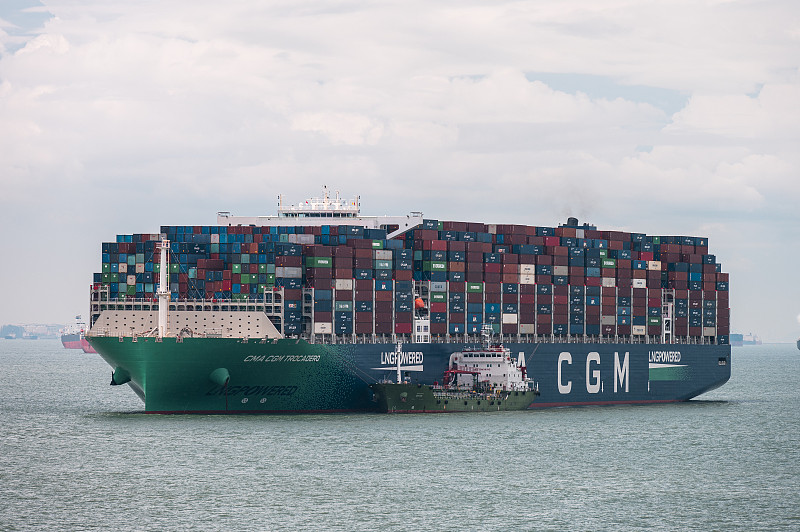
- The Maritime Route: Massive FCL containers or consolidated LCL shipments depart from major Chinese ports (Shenzhen, Shanghai) and sail to Yangon Port.
- The Air Route: While mostly used for urgent parcels, consolidated air freight (similar to LCL) is available for high-value, low-volume goods.
Safety and Efficiency First
A professional freight forwarder ensures that whether you choose FCL or LCL, your cargo is handled with care.
- For FCL: We utilize high-quality containers that are inspected for structural integrity before loading. GPS tracking allows you to monitor the container’s journey in real-time.
- For LCL: We operate state-of-the-art consolidation warehouses in cities like Yiwu, Guangzhou, and Shenzhen. Goods are carefully palletized, labeled, and segregated to prevent damage from other shippers’ cargo. Advanced inventory management systems ensure your goods are never lost in the shuffle.
By offering both FCL and LCL solutions, we provide the flexibility to scale your shipping needs alongside your business growth, ensuring you never pay for space you don’t need, nor risk your goods by using inadequate packaging.
Frequently Asked Questions (FAQ)
1. How do I calculate the cost of LCL shipping?
- Answer: LCL pricing is typically based on the volume (cubic meters) and weight of your cargo. Freight forwarders charge based on whichever is greater (a concept known as “chargeable weight”). You will also pay a consolidation fee, but you save significantly on the base ocean or land freight cost compared to FCL.
2. Is my cargo safe in an LCL shipment with other people’s goods?
- Answer: Yes. Reputable forwarders require all LCL cargo to be properly packaged and palletized. Dangerous goods (flammable, toxic) are strictly prohibited in standard LCL consolidation. Furthermore, containers are secured and braced to prevent shifting during transit, protecting all items inside.
3. How much longer does LCL take compared to FCL?
- Answer: LCL shipments usually take 2 to 5 days longer than FCL. This extra time is spent at the origin consolidation warehouse (waiting for enough cargo to fill the container) and at the destination de-consolidation center (sorting your goods from others). However, for many businesses, the cost savings outweigh the slight delay.
4. Can I ship a mix of different products in one FCL container?
- Answer: Yes, absolutely. Many wholesalers mix various products (e.g., electronics, textiles, and plastics) in a single FCL container. Just ensure your commercial invoice lists all items accurately for customs clearance purposes. Mixing goods does not affect the safety or efficiency of the FCL process.
5. What are the typical sizes of FCL containers used for China-Myanmar routes?
- Answer: The most common sizes are 20-foot (20GP) and 40-foot (40GP/40HQ) containers. A 20GP is suitable for approximately 28-30 cubic meters of cargo, while a 40HQ (High Cube) can hold up to 68 cubic meters. Your agent can help you determine the right size based on your product dimensions.


