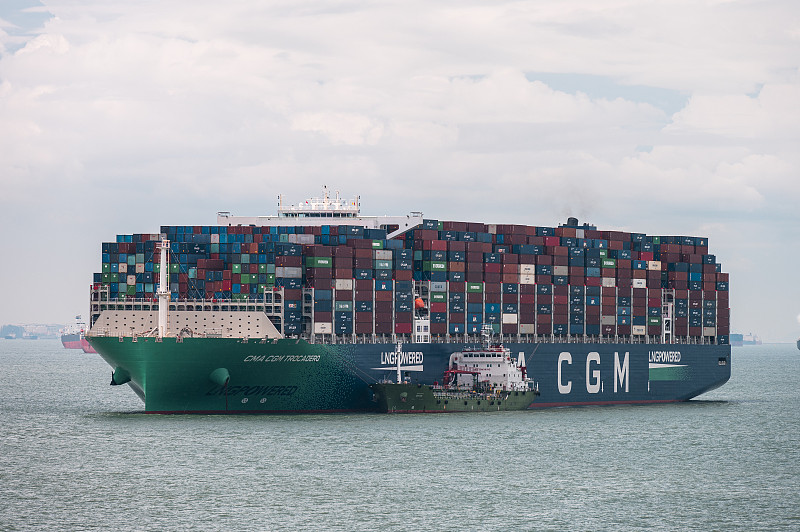
Transit delays are a common issue in international shipping routes from China to the Philippines. Even when goods leave the origin on time, they can still be delayed during transshipment, port handling, or carrier scheduling. These delays can affect inventory, sales, and customer satisfaction.
The good news is that most transit delays can be reduced or avoided with proper planning and the right logistics strategy.
1. Understand Where Transit Delays Happen
Transit delays usually occur at key points in the shipping process:
- Port congestion in China or the Philippines
- Transshipment hub delays (e.g., Hong Kong, Singapore, or Malaysia routes)
- Vessel schedule changes or rollover
- Missing or incorrect shipping documents
- Customs inspection during transit stops
Identifying weak points in the route helps you choose better shipping options.
2. Choose Direct Shipping Routes When Possible
One of the best ways to reduce transit delays is to avoid unnecessary transfers.
- Direct vessel routes = fewer handling steps
- Fewer transshipments = lower risk of delay
- Stable schedules = better predictability
Although direct routes may sometimes cost slightly more, they significantly reduce uncertainty.
3. Work with Reliable Shipping Lines
Not all carriers have the same schedule reliability. To reduce delays:
- Choose established international shipping lines
- Avoid carriers with frequent schedule changes
- Check historical on-time performance
- Prefer carriers with regular China–Philippines routes
Stable carriers are more important than slightly cheaper rates.
4. Avoid Peak Season Congestion
Transit delays often increase during peak shipping periods such as:
- Pre-Chinese New Year rush
- Mid-year import peaks
- Holiday seasons in the Philippines
During these times:
- Ports become congested
- Containers roll over to next vessels
- Space becomes limited
Planning shipments earlier can greatly reduce delay risk.
5. Ensure Accurate Documentation Before Departure
Many transit delays are caused by documentation issues:
- Incorrect Bill of Lading details
- Missing consignee information
- Wrong HS codes
- Inconsistent invoice data
Even small mistakes can lead to re-checks or holds during transit.
6. Track Shipments in Real Time
Active tracking helps you respond quickly to delays:
- Monitor vessel movement regularly
- Ask freight forwarder for updates
- Detect early signs of rollover or delay
- Adjust downstream logistics planning
Early awareness reduces business disruption.
7. Work with an Experienced Freight Forwarder
A professional freight forwarder can help you:
- Select faster and more stable routes
- Avoid high-risk transshipment hubs
- Manage carrier relationships
- Provide backup shipping options when delays occur
Good logistics partners play a key role in minimizing transit issues.
FAQ
Q1: What is transit delay in shipping?
It refers to delays that happen during transportation between origin and destination, especially at ports or transfer hubs.
Q2: Which route is faster from China to the Philippines?
Direct sea freight routes are usually the fastest and most stable.
Q3: Can transit delays be completely avoided?
Not completely, but they can be significantly reduced with proper planning and carrier selection.
Q4: Do transshipment ports cause delays often?
Yes, transshipment hubs are one of the most common sources of delay.
Conclusion
Transit delays in China–Philippines shipping are often caused by routing choices, carrier reliability, and seasonal congestion. By choosing direct routes, working with stable carriers, and planning ahead, importers can greatly improve delivery consistency and reduce operational risk.


