
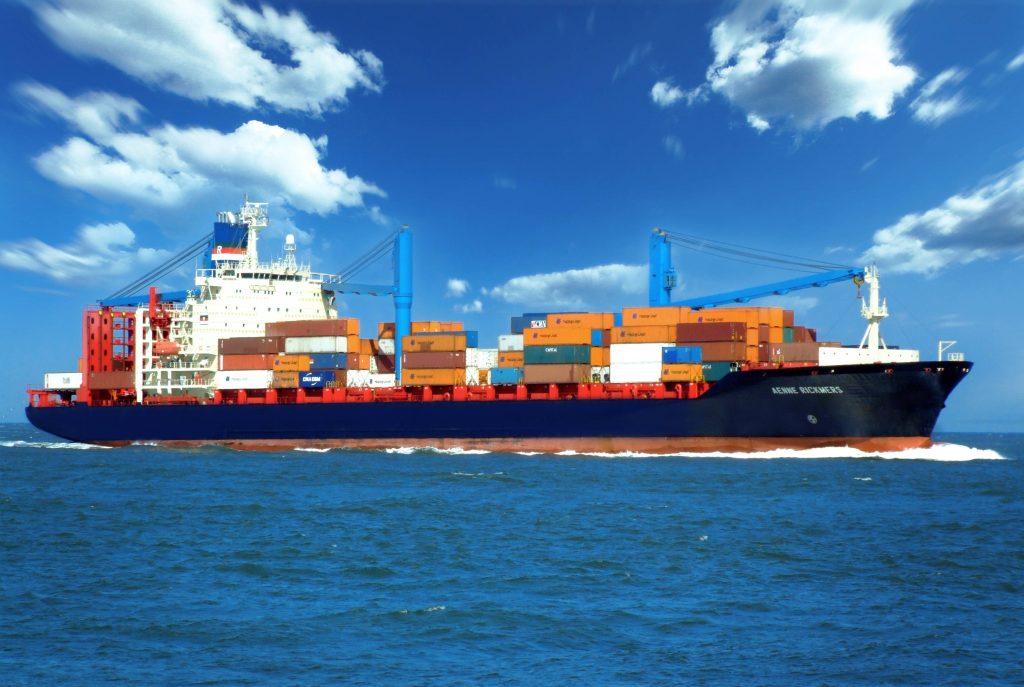
Shipping goods from China to the Philippines is essential for many importers and e-commerce sellers. However, freight costs can quickly become a major part of your total expenses if not managed properly. The good news is that with the right strategies, you can significantly reduce logistics costs without sacrificing reliability or delivery speed.
Below are practical and proven ways to lower your China–Philippines shipping costs.
1. Choose the Right Shipping Method
One of the biggest cost factors is the shipping mode you select:
- Sea freight (FCL/LCL): Most cost-effective for large or heavy shipments
- Air freight: Faster but significantly more expensive
- Express courier: Best for small, high-value packages
If your cargo is not urgent, sea freight is usually the best choice to reduce overall costs.
2. Optimize Cargo Volume and Packaging
Freight charges are often based on volume (CBM) or weight. Poor packaging can increase costs unnecessarily.
To save money:
- Remove unnecessary packaging materials
- Use compact and stackable cartons
- Avoid empty space inside boxes
- Consolidate multiple small shipments into one
Even small improvements in packaging efficiency can lead to noticeable savings.
3. Consolidate Shipments (LCL Strategy)
If your cargo is small, you may not need a full container. However, shipping multiple small LCL (Less than Container Load) shipments separately increases costs.
Better approach:
- Combine shipments into one larger batch
- Use warehouse consolidation in China
- Ship on a fixed schedule instead of frequent small shipments
This reduces handling fees and per-unit shipping cost.
4. Compare Freight Forwarders Carefully
Not all freight forwarders offer the same pricing structure. Some include hidden charges such as:
- Destination handling fees
- Documentation fees
- Port surcharges
- Customs clearance service fees
Always request a full cost breakdown and compare at least 2–3 providers before deciding.
5. Plan Shipments in Advance
Urgent shipping is always more expensive. Last-minute bookings often result in:
- Higher freight rates
- Limited space availability
- Forced use of expensive routes
Planning ahead allows you to secure better rates and stable shipping schedules.
6. Avoid Unnecessary Customs Delays
Delays in customs can increase storage and demurrage charges.
To avoid extra costs:
- Prepare correct invoices and packing lists
- Ensure HS codes are accurate
- Follow Philippines import regulations
- Work with experienced customs brokers
Smooth clearance = lower total logistics cost.
7. Use Long-Term Cooperation Rates
If you ship regularly, negotiate long-term agreements with your freight forwarder:
- Stable contract pricing
- Discounted bulk shipping rates
- Priority booking during peak seasons
Frequent shippers often save significantly more than one-time clients.
FAQ
Q1: What is the cheapest way to ship from China to the Philippines?
Sea freight (LCL or FCL depending on volume) is usually the most cost-effective option.
Q2: Does packaging affect shipping cost?
Yes. Volumetric weight and inefficient packaging can increase total freight charges.
Q3: How can small businesses reduce shipping costs?
By consolidating shipments, using sea freight, and working with reliable forwarders.
Q4: Are hidden fees common in freight forwarding?
Some providers may include extra charges, so always request a full cost breakdown.
Conclusion
Reducing shipping costs from China to the Philippines is not about finding the cheapest option—it’s about optimizing the entire logistics process. From packaging and consolidation to forwarder selection and planning, each step contributes to overall savings. With a smart strategy, businesses can significantly improve profit margins while maintaining stable supply chains.


