
China Freight Forwarder 
China Freight Forwarding 
China Freight Forwarding 
China Freight Forwarding
The textile and garment industry forms a vibrant part of the trade relationship between China and Oman. From high-fashion abayas and traditional attire to bulk fabrics for Oman’s burgeoning hospitality sector, the demand for quality textiles is constant. However, exporting soft goods is uniquely challenging; it requires a logistics partner that understands the sensitivity of fabrics to moisture, the importance of hanging garments, and the strict labeling laws of the Omani market. A top-rated logistics company for textiles doesn’t just move bales of cloth; they preserve the integrity of the merchandise. Whether shipping from the textile hubs of Guangzhou and Shaoxing or the garment factories of Dongguan, the right forwarder ensures your goods arrive in Muscat or Salalah crisp, dry, and compliant with local standards.
Specialized Services for the Textile Sector
Standard shipping methods often fail textiles. Here is how specialized logistics add value:
- Hanger Transportation (Garment on Hanger – GOH): For high-end suits, dresses, or traditional Omani wear, folding can cause wrinkles that are expensive to iron out. Top forwarders offer GOH containers or specialized racks within standard containers, allowing clothes to travel hanging just as they would in a retail store.
- Anti-Moisture Protection: The sea route from the humid Pearl River Delta to the Arabian Sea can expose containers to extreme condensation (“container rain”). Premium services include desiccant bags and Kraft paper lining to ensure fabrics remain mildew-free.
- Fabric Roll Management: Shipping delicate silks or heavy upholstery requires careful stowage. Logistics experts use battle boards and dunnage bags to prevent rolls from shifting and deforming during the rough crossing.
Navigating Omani Textile Regulations
Oman has specific requirements for imported textiles that a generic forwarder might overlook:
- Labeling Requirements: All textile products must have labels in Arabic (and English) detailing the fiber composition (e.g., 100% Cotton), care instructions, and country of origin. Failure to comply results in customs rejection.
- Origin Certification: To benefit from the 5% tariff (or 0% for GCC specific goods), the Certificate of Origin must explicitly state the manufacturing details. A top-rated forwarder assists in attesting this document at the Chamber of Commerce.
- Insect Prevention: Natural fibers (wool, cotton) are subject to phytosanitary checks. Goods must be clean and free of soil or pests to pass Omani agricultural inspections.
Frequently Asked Questions (FAQ)
Q1: Should I use Flat Rack or Standard Containers for shipping bulky carpets and rugs?
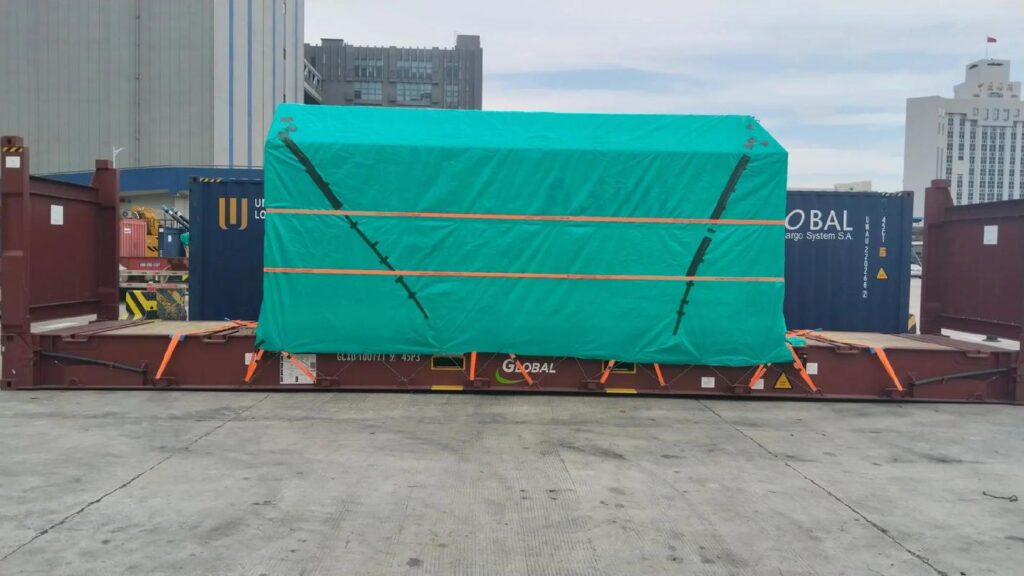
- A: For rolled carpets, 40-foot High Cube containers are standard. However, for oversized rugs that cannot be rolled tightly, Flat Racks are used. A top-rated forwarder will calculate the “cube” (CBM) efficiently, often using “pinwheel” loading patterns to maximize space, reducing the number of containers you need.
Q2: How do I handle the “Dry Cleaning” or “Wet Cleaning” label requirements for Oman?
- A: Omani consumers are increasingly quality-conscious. Your labels must comply with ISO 3758 (symbolic care labeling). A logistics company specializing in textiles can often connect you with local Omani labeling subcontractors who can apply compliant stickers or sew-in tags before the final delivery, saving you from re-labeling the entire batch in China.
Q3: Is it better to ship textiles via Salalah or Sohar?
- A: For textiles destined for retail in Muscat, shipping to Salalah is often faster due to higher frequency of sailings from China. From Salalah, trucks can reach Muscat in about 8-10 hours. If your goods are for the industrial textile market in the north (near the UAE border), Sohar might be a shorter drive, but sailing options might be less frequent than Salalah.
Q4: What about shipping “Made in China” garments with “Omani Design” tags?
- A: This is common for the Abaya market. As long as the Certificate of Origin truthfully states “China” as the country of manufacture, you can attach “Designed in Oman” tags. A good forwarder ensures the customs invoice clearly distinguishes between the place of manufacture and the brand origin to avoid confusion with the Royal Oman Police customs officers.
Q5: Can I ship samples of textiles via air freight quickly for a trade show in Oman?
- A: Yes. For urgent samples, use Air Freight to Muscat (MCT). Since samples are often low value, ensure your forwarder declares them as “Samples – No Commercial Value” but still pays the nominal duty to avoid issues. For trade shows, temporary import bonds might be required, which a top-rated logistics partner can arrange so you don’t have to pay duty on items that will leave the country after the exhibition.


