In the modern era of e-commerce, businesses are no longer confined to domestic markets. Expanding internationally opens opportunities for growth, but it also brings complex challenges in logistics, freight management, and supply chain operations. Efficient global freight solutions are essential for e-commerce companies aiming to deliver products to customers worldwide in a timely, cost-effective, and compliant manner. This article provides a comprehensive overview of global freight solutions, strategies for streamlining supply chains, and best practices to enhance efficiency and profitability.
1. The Role of Global Freight in E-Commerce
Global freight services encompass the transportation of goods across international borders using various modes of transport, including air, sea, rail, and road. They play a crucial role in the success of e-commerce businesses by:
- Ensuring timely and reliable delivery to customers worldwide
- Optimizing shipping costs through route and mode selection
- Managing customs compliance and documentation
- Providing flexibility and scalability for growing businesses
A well-managed global freight strategy directly impacts customer satisfaction, operational efficiency, and profitability.
2. Modes of Global Freight Transport
Selecting the appropriate transport mode is essential for balancing speed, cost, and reliability:
2.1 Air Freight
- Best suited for high-value, urgent, or perishable products
- Fast delivery, typically 3–7 days internationally
- Requires professional freight forwarding and proper documentation
- Higher cost per unit compared to sea freight
2.2 Sea Freight
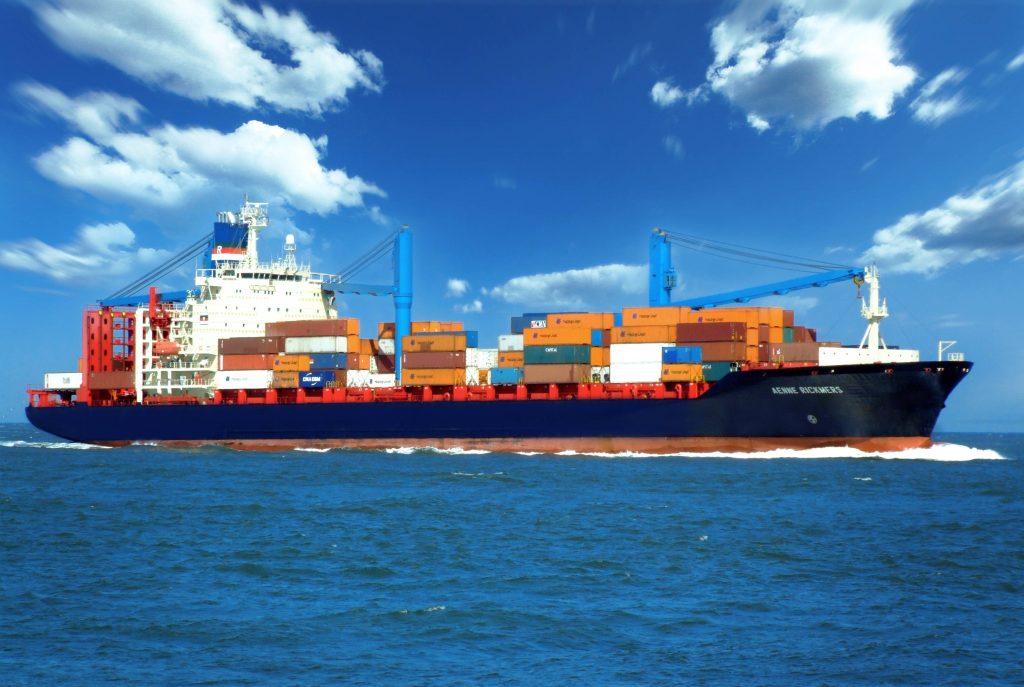
- Ideal for bulk or heavy cargo
- Transit time ranges from 15–45 days depending on the route
- Full Container Load (FCL) and Less than Container Load (LCL) options available
- Cost-effective for non-urgent shipments
2.3 Rail and Road Freight
- Efficient for regional cross-border shipments
- Rail transport offers speed advantages over sea freight for certain corridors
- Road freight provides flexibility for short- to medium-distance delivery
2.4 Multimodal Transport
- Combines multiple transportation methods
- Balances speed, cost, and flexibility
- Useful for complex supply chains spanning multiple continents
3. Freight Forwarding and Logistics Coordination
Global freight solutions require careful coordination among shippers, carriers, customs authorities, and logistics providers. Freight forwarding plays a pivotal role:
- Shipment Booking: Secure cargo space with carriers and schedule pick-up
- Documentation: Prepare commercial invoices, bills of lading, packing lists, and certificates of origin
- Customs Clearance: Ensure compliance with import/export regulations and pay applicable duties
- Tracking and Communication: Maintain visibility throughout the supply chain
Freight forwarders act as intermediaries, providing expertise in documentation, compliance, and route optimization.
4. Warehouse Management for Global E-Commerce
Efficient warehouses are critical for meeting international e-commerce demands:
4.1 Storage and Organization
- Organize inventory by SKU, product type, or region
- Implement clear labeling systems to facilitate picking and packing
- Allocate space for receiving, storage, picking, packing, and shipping zones
4.2 Inventory Management
- Maintain accurate stock levels using Warehouse Management Systems (WMS)
- Forecast demand to avoid overstocking or stockouts
- Implement safety stock for high-demand items
4.3 Fulfillment Strategies
- Centralized Fulfillment: One main warehouse serves multiple markets
- Distributed Fulfillment: Regional warehouses shorten delivery times
- Third-Party Logistics (3PL): Outsourcing warehousing and fulfillment to specialized providers
5. Customs Compliance and Documentation
International shipping requires strict adherence to customs regulations:
- Export and Import Documentation: Commercial invoices, packing lists, bills of lading, and certificates of origin
- Duties and Taxes: Correct assessment and payment of tariffs and import duties
- Regulatory Compliance: Ensure products meet safety, quality, and labeling requirements
- Insurance: Protect shipments against loss, damage, or delays
Working with experienced customs brokers and logistics partners minimizes errors and reduces delays.
6. Last-Mile Delivery Optimization
The last mile is often the most critical and expensive segment of international shipping:
- Local Carrier Selection: Reliable couriers ensure timely delivery in destination countries
- Address Verification: Prevents delays due to incorrect or incomplete addresses
- Tracking Systems: Provide transparency for businesses and customers
- Efficient Returns Management: Handling returns promptly improves customer satisfaction
Optimizing last-mile delivery reduces shipping costs and enhances the customer experience.
7. Risk Management in Global Freight
International shipping exposes businesses to various risks:
- Transit Delays: Weather, customs inspections, or carrier issues
- Damage or Loss: Proper packaging, handling, and insurance mitigate risk
- Regulatory Non-Compliance: Adhering to import/export laws prevents fines and shipment rejection
- Inventory Shortages: Forecasting and real-time tracking prevent stockouts
Proactive risk management ensures smooth operations and protects revenue.
8. Cost Management and Efficiency
Effective global freight management requires cost optimization:
- Shipment Consolidation: Combining smaller shipments reduces per-unit cost
- Route Optimization: Selecting the most efficient routes balances speed and cost
- Long-Term Agreements: Secure better rates with carriers for frequent shipments
- Technology Integration: Use data analytics and software to identify inefficiencies
9. Technology Solutions for Global Freight
Modern supply chains rely heavily on technology to streamline operations:
- Transportation Management Systems (TMS): Plan routes, manage carriers, and monitor shipments
- Warehouse Management Systems (WMS): Optimize inventory allocation and order fulfillment
- Real-Time Tracking: Provides visibility to both businesses and customers
- Data Analytics: Forecast demand, monitor KPIs, and optimize operational efficiency
Technology integration improves accuracy, reduces errors, and enhances scalability.
10. Best Practices for Streamlined Global Freight
- Plan shipments in advance and maintain accurate documentation
- Select the appropriate transport mode based on urgency, volume, and cost
- Optimize warehouse layout and inventory management for speed and efficiency
- Partner with reliable freight forwarders and local carriers
- Monitor key performance metrics and adjust operations as needed
- Continuously update processes to adapt to changing international trade regulations
11. Conclusion
Global freight solutions are essential for e-commerce businesses seeking to expand internationally. By streamlining supply chains, optimizing transportation modes, ensuring customs compliance, and integrating advanced technology, businesses can reduce costs, improve delivery times, and enhance customer satisfaction. Efficient global freight management allows companies to remain competitive in a dynamic marketplace, scale operations effectively, and build long-term customer trust. The future of international e-commerce depends on the ability to navigate complex logistics while maintaining high service standards and operational efficiency.


