China-Argentina Freight Forwarding: Bridging Continents to Power Bilateral Trade and Economic Synergy Spanning over 20,000 kilometers and separated by the vast Atlantic Ocean, China and Argentina—two economies with complementary strengths—are forging deeper trade ties. China, a manufacturing powerhouse, supplies Argentina with machinery, electronics, and consumer goods, while Argentina exports agricultural giants like soybeans, beef, and wine, along with lithium and other minerals. As bilateral trade surges—hitting $20 billion annually and climbing—specialized freight forwarders have emerged as the unsung architects of this connection. These logistics experts navigate the complexities of transoceanic shipping, regulatory divergence, and regional infrastructure gaps to ensure goods flow seamlessly, turning distance into opportunity and fostering mutual growth.
Why China-Argentina Trade Demands Expert Freight Solutions
The sheer scale of the Pacific-Atlantic crossing presents inherent challenges. Most China-Argentina shipments rely on maritime routes, with transit times averaging 35–45 days via the Cape of Good Hope or Panama Canal—longer than many Asia-Europe lanes. Beyond distance, Argentina’s unique logistics landscape complicates matters:
- Port Congestion and Infrastructure Limits: Argentina’s primary ports, Buenos Aires and Rosario, face periodic congestion due to aging terminals and labor disputes. Smaller regional ports like Bahía Blanca lack deep-water capacity for mega-ships.
- Complex Customs and Regulatory Frameworks: Argentina enforces strict import controls, including non-automatic licensing for goods like machinery, and rigorous sanitary/phytosanitary (SPS) checks for agricultural products. Currency controls and fluctuating exchange rates further complicate payment and clearance processes.
- Domestic Distribution Hurdles: Once cargo reaches ports, reaching inland markets (e.g., Córdoba, Mendoza) requires navigating underdeveloped rail networks or unpaved roads, raising costs and transit times.
Chinese exports to Argentina are diverse but demand precision:
- Industrial Machinery: CNC machines, construction equipment, and solar inverters for Argentina’s manufacturing and renewable energy sectors.
- Consumer Goods: Textiles, home appliances, and electric vehicles (EVs) to meet rising middle-class demand.
- Temperature-Sensitive Products: Pharmaceuticals and fresh produce (e.g., cherries from China’s Yunnan Province) requiring climate-controlled transit.
Each shipment demands tailored handling. Soybean exports from Argentina to China, for example, rely on bulk carriers with specialized cleaning systems to prevent contamination. Meanwhile, Chinese EVs shipped to Buenos Aires need shock-proof crating and real-time tracking to avoid damage during long voyages.
Navigating the Journey: Modes of Transport and Strategic Coordination
Maritime shipping remains the backbone of China-Argentina trade, though multimodal solutions are gaining traction. Here’s how freight forwarders engineer success:
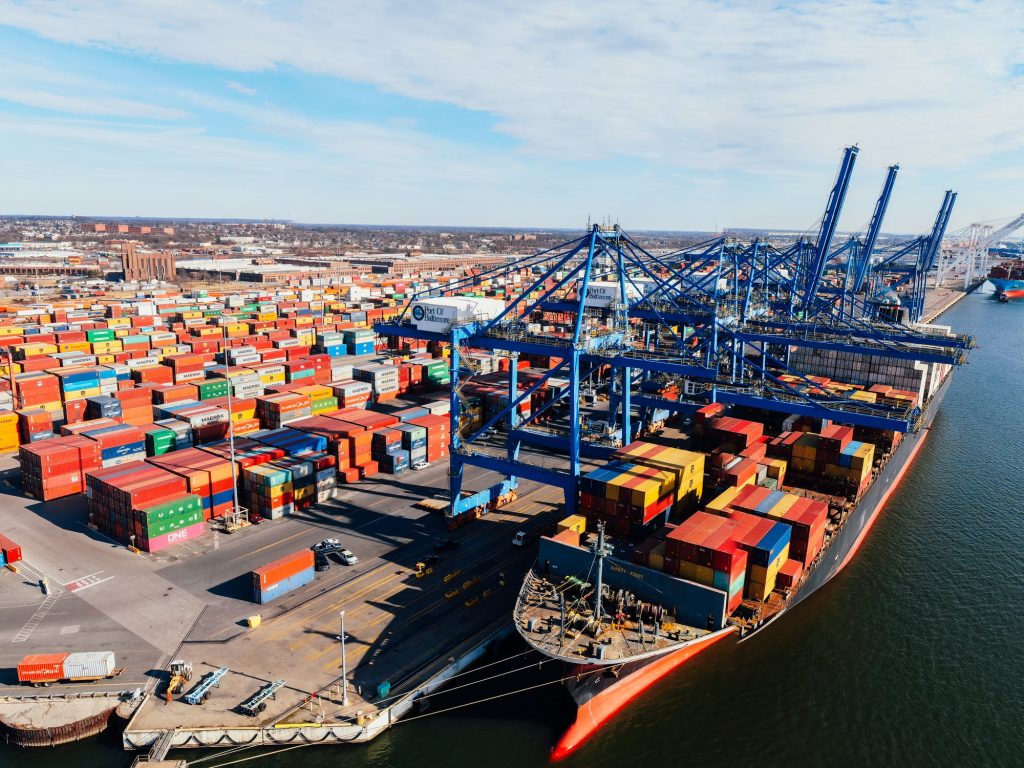
- Ocean Freight: The Primary Artery Cargo departs from Chinese hubs (Shanghai, Ningbo, or Shenzhen) bound for Buenos Aires or Rosario. Forwarders specialize in:
- Carrier Selection and Space Securing: Partnering with global lines (e.g., Maersk, CMA CGM) to secure slots on vessels calling at Argentine ports. They negotiate charter agreements for oversized cargo (e.g., wind turbine blades) or bulk shipments (e.g., steel coils).
- Transshipment Management: For smaller ports, forwarders coordinate transshipments via Santos (Brazil) or Montevideo (Uruguay), minimizing delays by pre-booking feeder vessels and monitoring layover times.
- Container Optimization: Using 40-foot high-cube containers for low-density goods (e.g., textiles) to maximize space, and ventilated containers for agricultural products to prevent mold.
- Multimodal Solutions: Extending Reach Inland To reach Argentina’s interior, forwarders integrate maritime with rail or road transport:
- Rail-Sea Intermodal: Cargo arrives at Buenos Aires, then moves via Argentina’s Ferrocarril Belgrano Cargas (a key freight rail operator) to Córdoba or Rosario. Forwarders liaise with rail operators to secure carriages and track shipments in real time.
- Road Transport for Remote Regions: For provinces like Jujuy or Salta, forwarders partner with local trucking firms, ensuring vehicles are equipped for rough terrain and adhering to strict weight limits to avoid fines.
- Air Freight: Critical for Time-Sensitive Cargo High-value or perishable goods—such as medical equipment, fresh flowers, or premium wines—use air cargo. Forwarders route shipments through Santiago (Chile) or Lima (Peru) to Ministro Pistarini International Airport (Ezeiza, Buenos Aires), prioritizing express clearance and temperature-controlled handling.
The Forwarder’s Role: Solving Argentina-Specific Challenges
Success in China-Argentina freight hinges on mastering three critical areas:
- Regulatory Compliance and Customs Clearance Argentina’s labyrinthine regulations demand local expertise. Forwarders pre-advise clients on licensing requirements (e.g., ANMAT for pharmaceuticals, SENASA for agri-products) and audit documentation—commercial invoices, bills of lading, and certificates of origin—to avoid holds. They work with certified clearing agents to streamline SPS checks, reducing clearance times from 15–20 days to 7–10.
- Port and Inland Logistics Coordination To mitigate port congestion, forwarders deploy buffer stocks in bonded warehouses near Buenos Aires, ensuring goods are released quickly once cleared. For inland delivery, they use GPS-tracked trucks and real-time traffic data to reroute around road closures or labor strikes, maintaining delivery schedules.
- Currency and Risk Management Argentina’s volatile currency (the peso) and strict foreign exchange controls pose financial risks. Forwarders offer hedging advice, such as invoicing in USD or euros, and partner with banks to facilitate secure, compliant payments. They also provide cargo insurance covering theft, water damage, or transit delays, tailored to Argentina’s high-risk zones (e.g., flood-prone Rosario).
Choosing a Partner: What Exporters Should Prioritize
Selecting a freight forwarder for China-Argentina trade demands focus on four criteria:
- Local Regulatory Fluency: Deep knowledge of Argentina’s customs, SPS, and foreign exchange rules to avoid compliance pitfalls.
- End-to-End Visibility: Digital platforms offering real-time tracking from factory pickup to final delivery in Buenos Aires or beyond.
- Inland Network Strength: Partnerships with Argentine rail operators, trucking firms, and warehouses to ensure seamless last-mile delivery.
- Sustainability Commitment: Offering green shipping options (e.g., slow-steaming vessels, carbon offsets) to align with Argentina’s climate goals.
The Future: A Thriving Trade Corridor
With China and Argentina deepening cooperation—via the Belt and Road Initiative and bilateral agreements on agriculture and renewable energy—their trade volume is projected to exceed $30 billion by 2030. As Argentina expands its lithium mining (critical for EV batteries) and China invests in Argentine infrastructure (ports, railways), demand for specialized freight solutions will soar. For Chinese exporters, partnering with a forwarder who blends global logistics expertise with hyper-local insight is no longer optional—it’s strategic. In this transoceanic partnership, freight forwarding transcends transportation; it’s about enabling mutual prosperity. By solving logistical puzzles, ensuring regulatory compliance, and fostering trust, these partners ensure Chinese goods not only reach Argentina’s shores but also drive its industrial growth and China’s access to vital resources. In the end, the story of China-Argentina trade is one of connection—bridging continents, cultures, and economies. And at the heart of that connection are the freight forwarders, turning distance into opportunity and trade into shared success.


